Agility
Make tools and practices flexible, adaptable, easy to change…and to change back again. Too much change all at once can be disorienting, so try making gentle changes over multiple iterations, pausing to see what’s working.

Infinite Play
Play infinitely, grow infinitely. Play is one of the most powerful paths to growth. The concept of infinite play reminds us that games aren’t about winning; changing rules and boundaries is part of playing. When players constantly expand the game to incorporate new players and stretch themselves in new ways, awesome things are possible.

Amplify Agency
Accompany young people instead of seeking to control them. Practicing self-determination helps them find themselves and prepare for the future. Ensure tools support personal choice and freedom, as well as responsibility for one’s choices. Make sure everyone has the opportunity to participate in co-designing and adapting community guiding structures.

Culture Creation
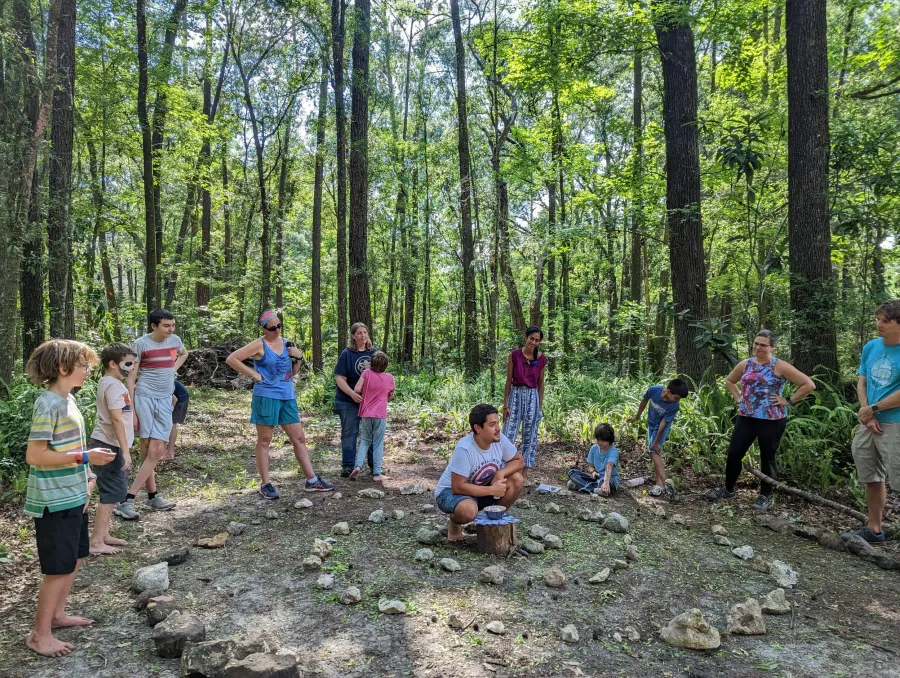
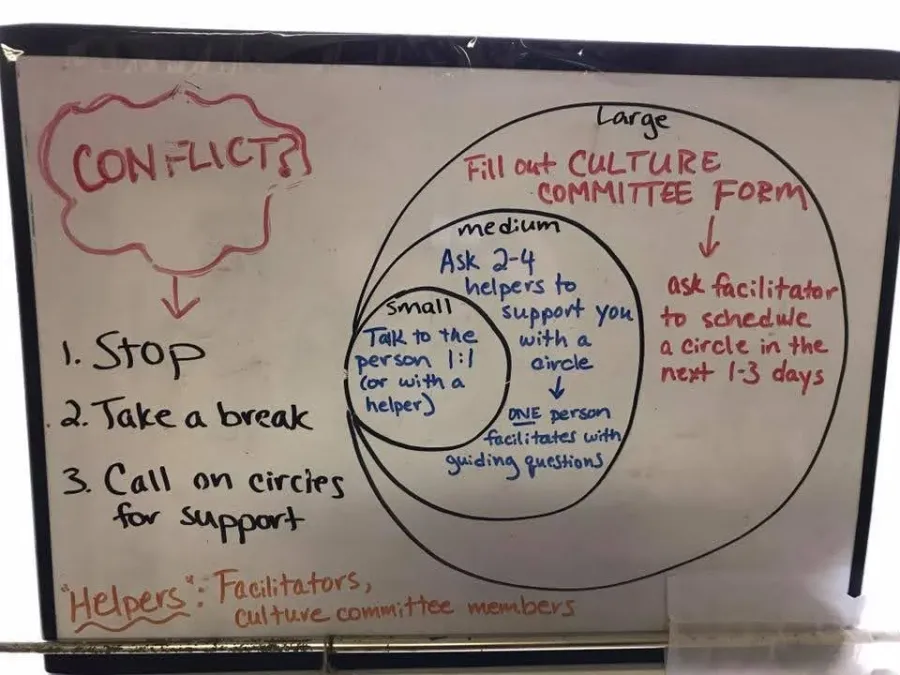
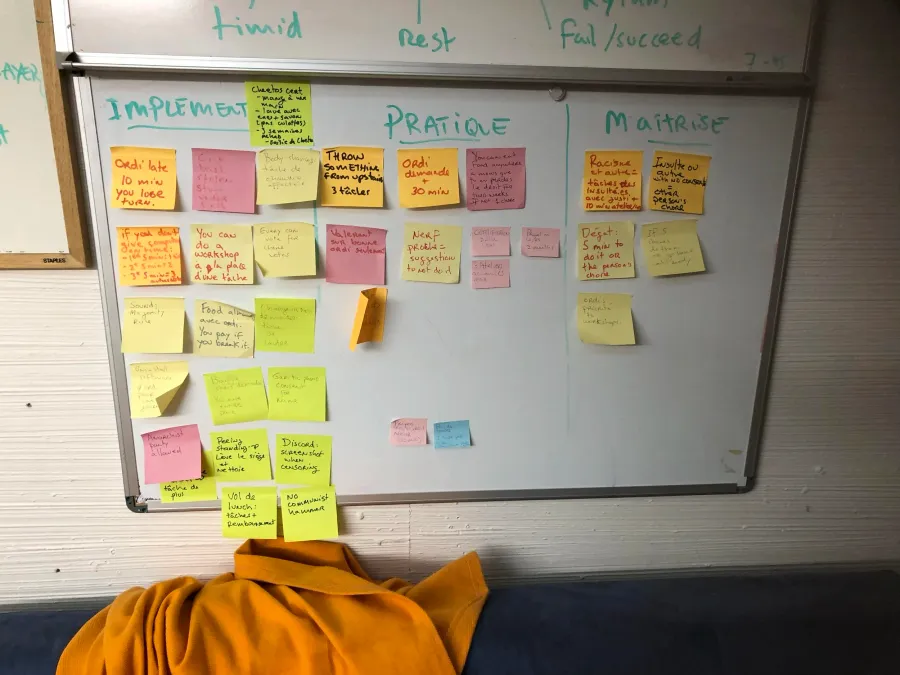
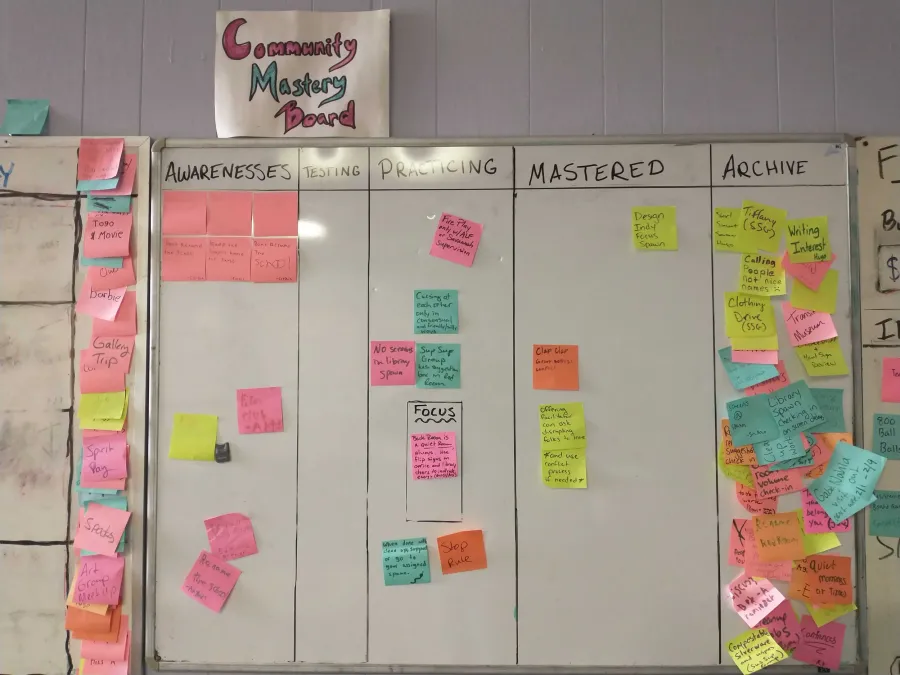
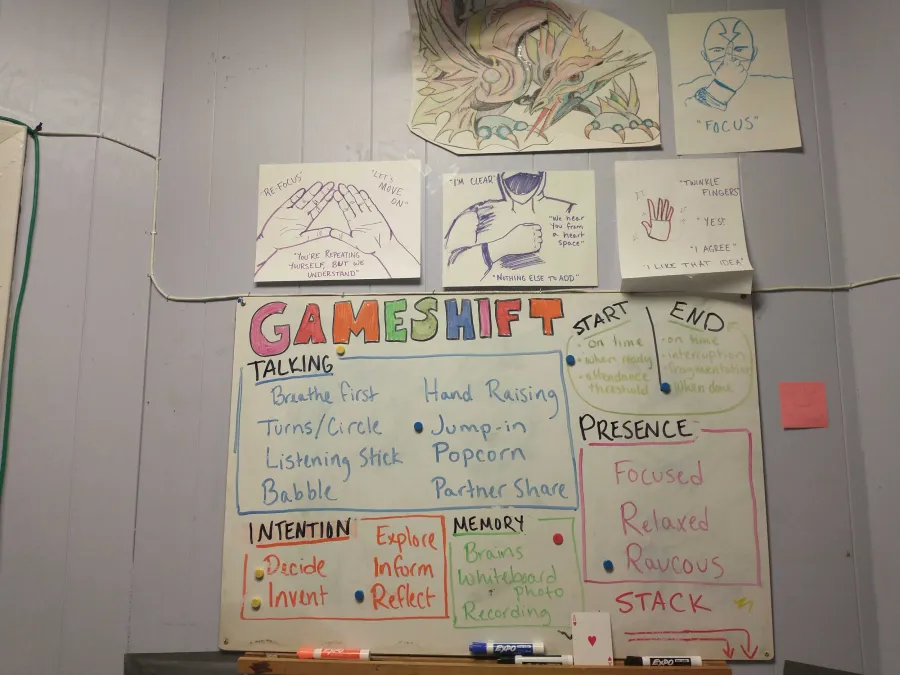
Acknowledge and work with the power of culture. A generous, curious, and encouraging culture is the strongest, most pervasive support structure a learning community can have. We leverage this by intentionally shaping the culture that shapes us. Focusing on collective practice, reflection, and iteration rather than restrictive rule-making keeps us agile and collaborating.

Facilitation
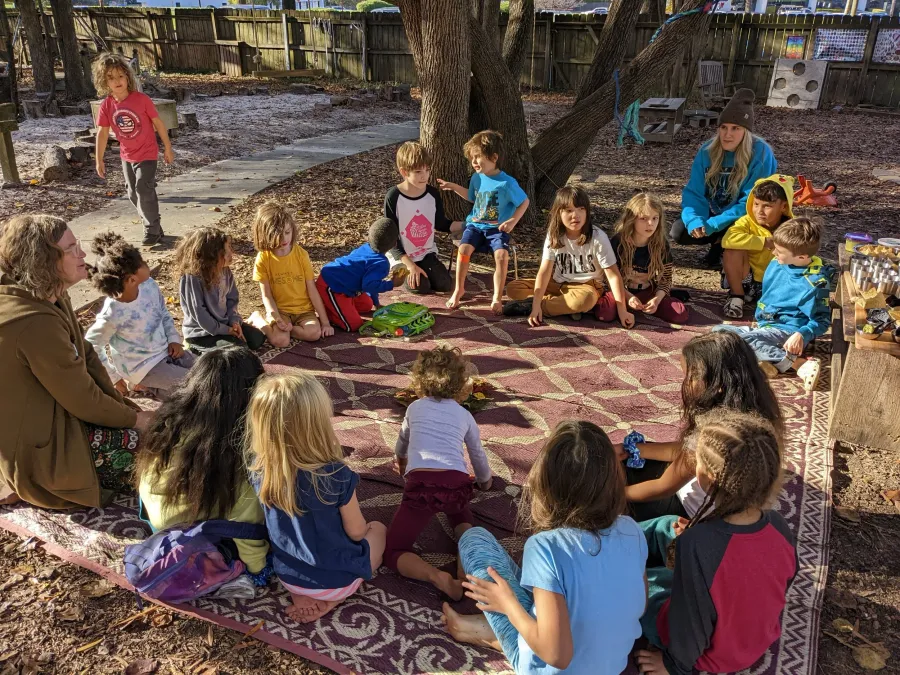
Model, connect, witness, and inquire. Don’t introduce unnecessary complexity or project your own agenda. Open space for kids to engage with friends and with the resources of their broader community, collaborate with them in problem solving, and accompany them in their learning as they grow. Stay curious. Embrace emergence.

Ongoing Feedback
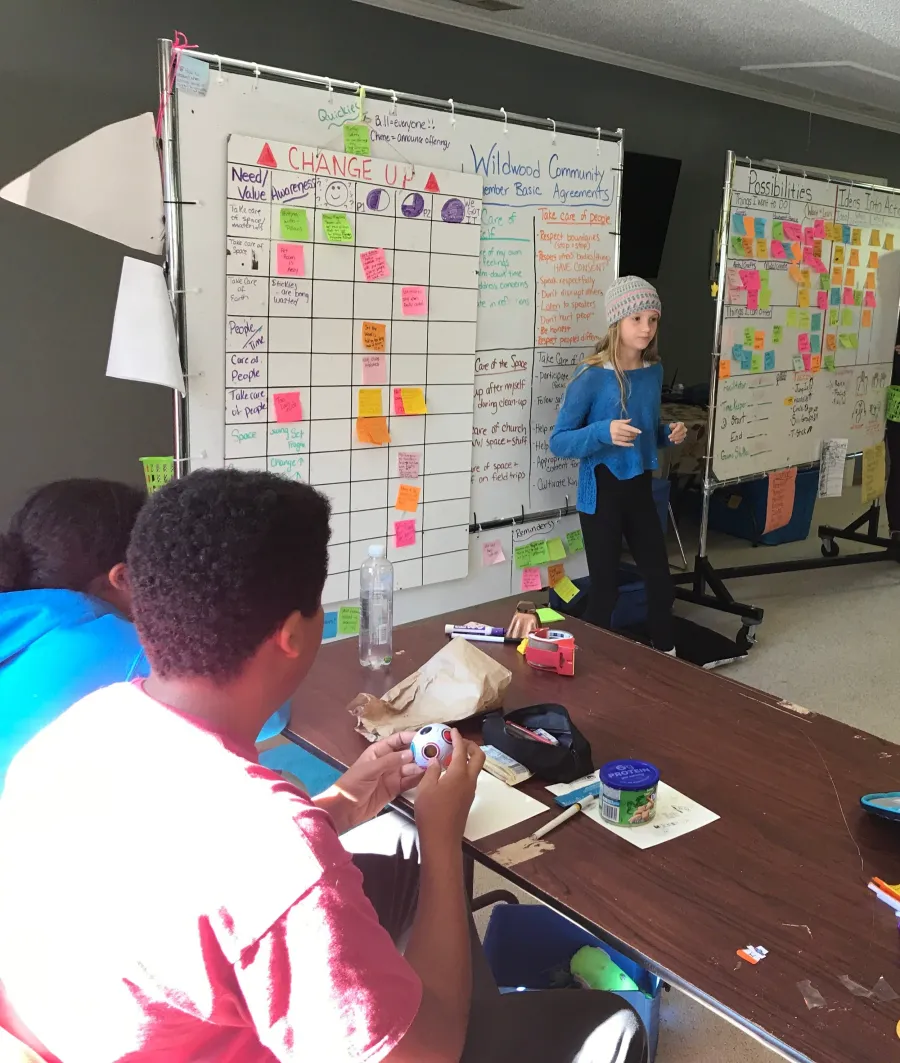
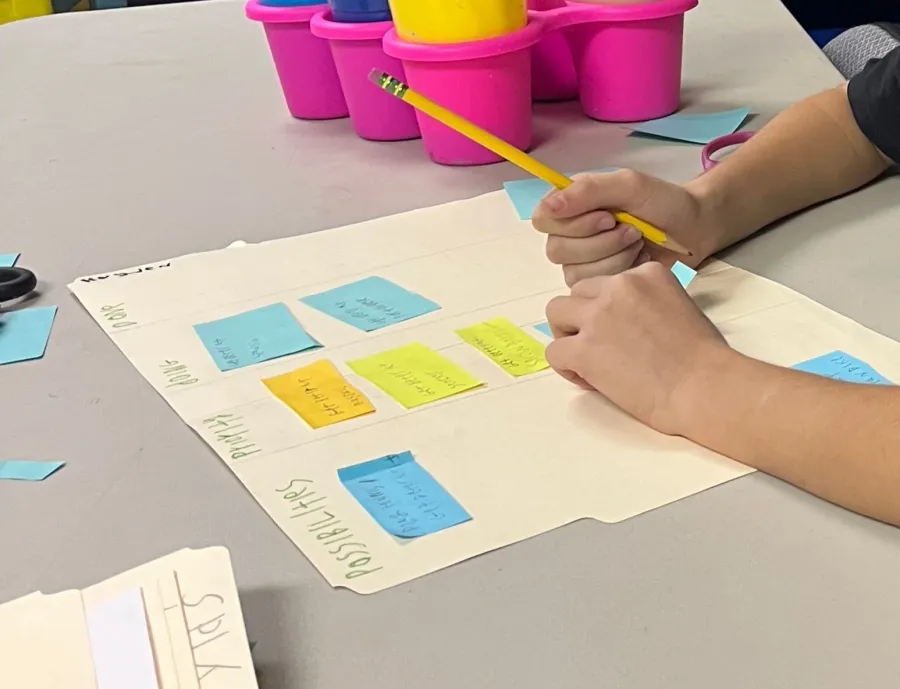
Make the implicit explicit and decentralize knowledge. Write, draw, or record regular notes. Over time, sharing about our choices and outcomes reveals patterns, which we can reflect on to support adaptation and growth. Norms supporting sharing empower and build trust among community members.

Relationships
Be real. Be accepting. Respect differences. Authentic relationship is the basis of partnership, communication, collaboration, and trust between students and staff. Support self-expression, self-knowledge and self-acceptance, letting the experience of nurturing relationship teach the power of interrelatedness and community.

Support
Provide maximum support with minimal interference. Create helpful structures, practices, and environments without making young people’s decisions for them or managing their processes. Remember that “support” that interrupts practice or takes up too much space becomes counterproductive.

Respect Time & Space
Respect each other’s time, space, and processes. Hold no unnecessary meetings. Keep all meetings tight, productive and participatory. Honor commitments, as well as scheduled start and end times for happenings. Check-in before creating work for someone else. Be thoughtful about taking up shared space.

Full Spectrum Fluency
Embrace multiple intelligences, modes of expression, and learning styles. Nurture multiple literacies. A functional education for today’s world needs to focus on more than standard academics. Social, relational, technological, environmental, and other competencies are essential.

Safer Space-Making
Provide an environment of physical, social, and emotional safety. Set and keep critical boundaries. Foster great freedom within an appropriate frame of safety and legality, so that kids’ energy can be freed up to focus on learning instead of protecting themselves.
Shareable Value
Contribute learnings to the collective knowledge base, using logs, tracking systems, videos, blogs, illustrations, and other artifacts. By generously documenting and making time to share with others, we deepen our understanding of a subject and inspire others’ learning at the same time.





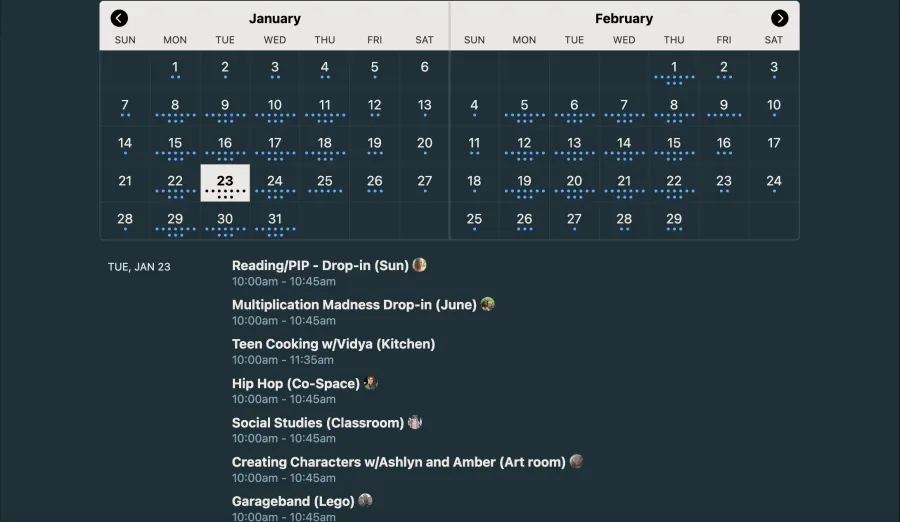
 Coordinating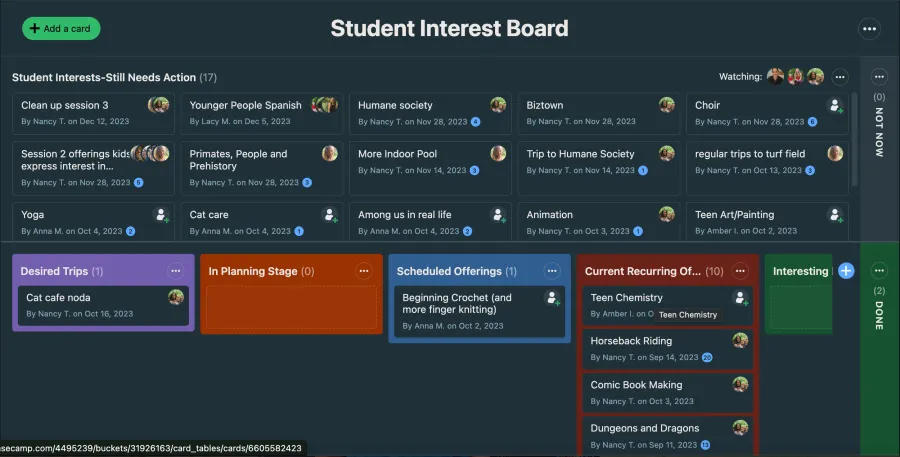
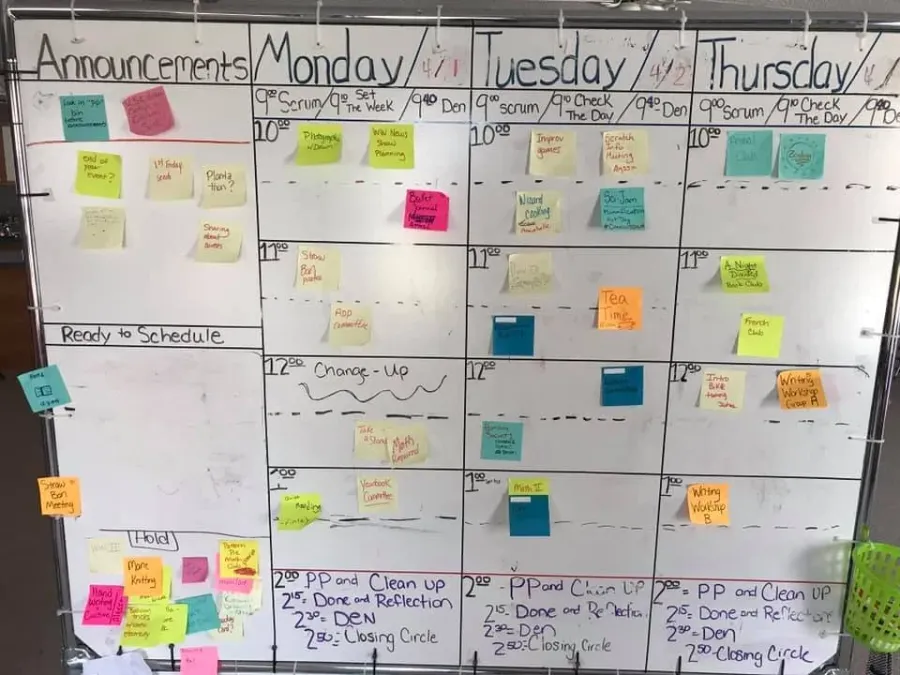
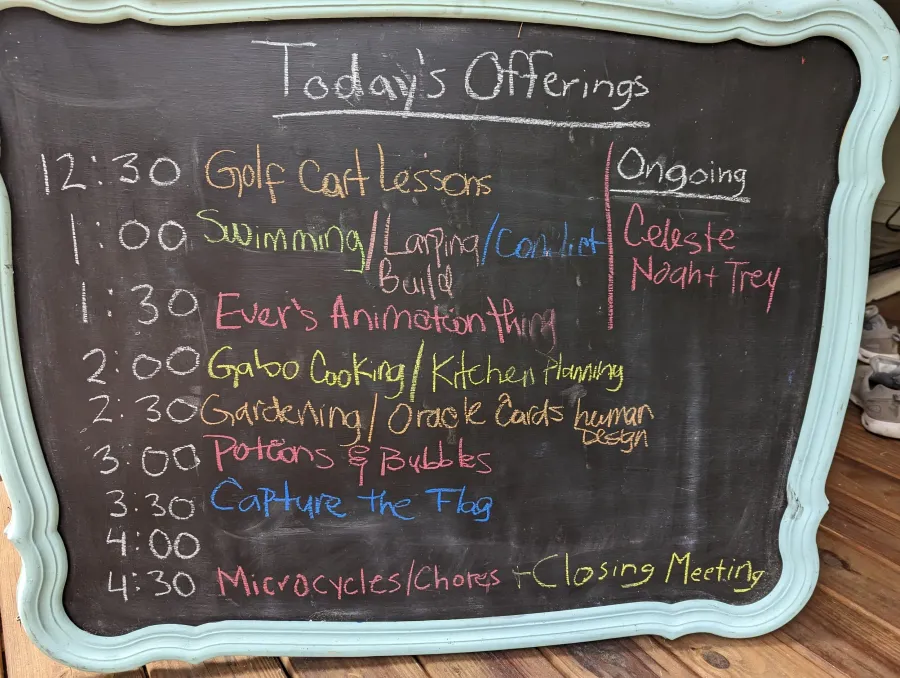
 Declaring & Reflecting
 Documenting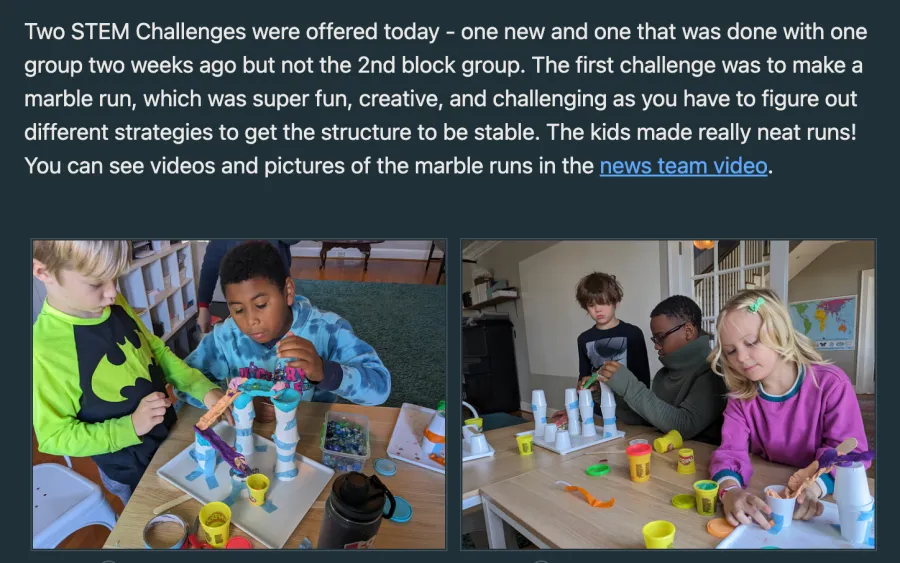
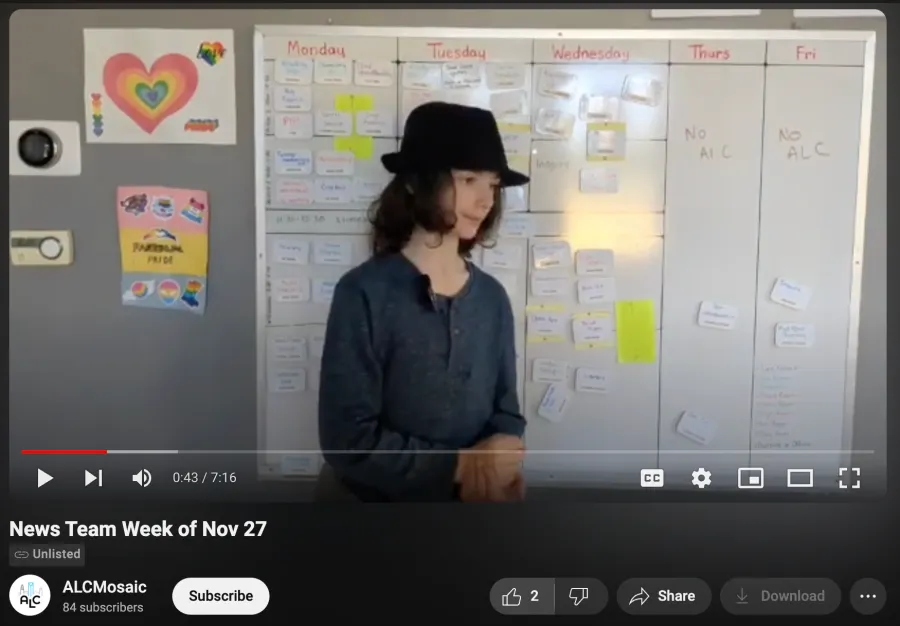
 Creating Culture